
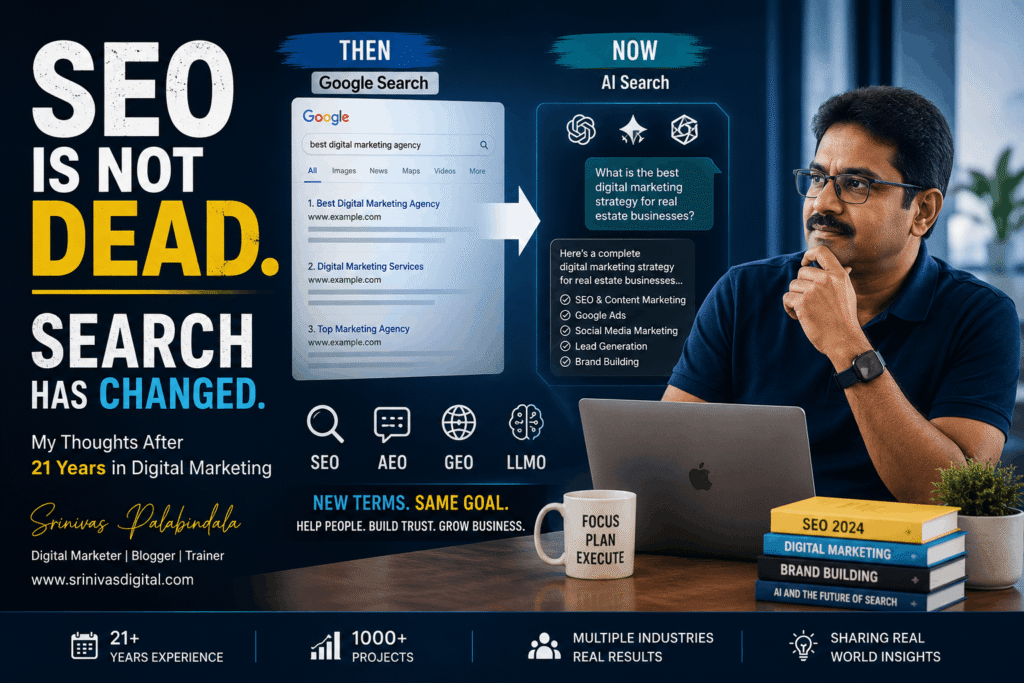
My Thoughts After 21 Years in Digital Marketing
For the last few months, one sentence keeps following me everywhere.
“SEO is dead.”
I hear it on YouTube.
I read it on LinkedIn.
People discuss it in Facebook and WhatsApp groups.
Some even say,
“Don’t invest in SEO anymore. AI is going to replace everything.”
Honestly…
That made me think.
Not because I was scared. But because I wanted to understand what is actually changing.
I’ve been working in Digital Marketing for more than 21 years now. During these years, I have seen Google change many times.
I’ve seen websites change…I’ve seen social media change.
I’ve seen mobile phones completely change the way people use the internet.
And now, we are seeing another big change.
Artificial Intelligence.
ChatGPT.
Google Gemini.
Perplexity.
Google AI Overviews.
Everywhere you look, AI is becoming part of our daily life.
So instead of believing what everyone was saying, I decided to spend some time doing my own research.
For the last few weeks, whenever I got free time, I was reading articles, watching YouTube videos, testing ChatGPT, Gemini and Perplexity.
I even checked Google Keyword Planner and Google Trends to understand how people are searching today.
The more I researched, the more I realised one thing.
I think many people are asking the wrong question.
Instead of asking,
“Is SEO dead?”
I think we should ask,
“How are people searching today?”

Because if we understand how people search today, we’ll automatically understand where SEO is going.
That is exactly why I decided to write this article.
I’m not writing this as an SEO expert. I’m not writing this to prove anyone wrong.
I’m simply sharing what I have observed after working in Digital Marketing for more than two decades.
Maybe you’ll agree with me.
Maybe you won’t.
And that’s perfectly fine. This is just my opinion based on my experience.
My Journey Started Before AI Became Popular
When I started my career, Digital Marketing was completely different.
There was no ChatGPT.
There was no Gemini.
There were no AI tools writing content.
Google was very different.
SEO was different.
Even websites looked different.
Back then, businesses were just starting to understand why they needed a website.
Most people thought having a website itself was enough.
Slowly, Google started becoming smarter.
SEO started changing.Then social media became popular.
Facebook changed marketing.
Then came smartphones.
Again, Digital Marketing changed.
Google introduced new algorithm updates.
Mobile-friendly websites became important.
Page speed became important.
User experience became important.
Every few years, something new came.
Every few years, Digital Marketing changed.
As digital marketers, we also changed.
That is why I never believed SEO was a fixed process.
SEO has always been changing.
Today AI is changing it once again.
To me, that’s normal.
What I Do Today Helped Me Look At This Differently
Today, my job is not only about SEO.
Yes, SEO is still one part of my work.
But apart from that, I also work on Google Ads, Meta Ads, website strategy, landing pages and lead generation.
I also work closely with real estate portals like 99acres, MagicBricks and Housing.com.
We discuss project visibility, branding activities and lead generation because thousands of people visit these portals every day.
Apart from digital marketing, I’m also involved in offline marketing activities like radio advertisements, newspaper advertisements, TV campaigns, hoardings and pamphlet distribution.
Earlier, I used to think online and offline marketing were two different worlds.
Today I don’t think that anymore. Both are trying to do the same thing.
Reach the right customer…Build trust…Generate enquiries.
Finally convert those enquiries into business.
Because of these responsibilities, I don’t just look at website traffic anymore.
I look at the complete customer journey.
How did the customer first hear about the brand?
Did they search on Google?
Did they see a Facebook advertisement?
Did they ask ChatGPT?
Did they visit our website?
Did they speak to our sales team?
Did they visit the project?
Did they finally become a customer?
When you start looking at marketing like this, your thinking automatically changes.
You realise marketing is not about rankings.
It’s about people.
Why I Felt Like Writing This Article
To be honest…
I didn’t write this article because I wanted to explain what SEO means.
There are already thousands of articles explaining SEO.
The internet doesn’t need one more article saying,
“SEO stands for Search Engine Optimization.”
Instead, I wanted to write about something I personally felt while researching AI.
Nowadays, every week we hear a new term.
SEO.
AEO.
GEO.
LLMO.
AI Search.
AI Optimization.
Sometimes I feel our industry loves creating new words. But are these really new concepts?
Or are we simply giving new names to ideas that have existed for years?
That question stayed in my mind for many days. And that’s exactly why this article exists.
Not to teach SEO.
Not to promote AI.
Not to criticize Google.
But simply to share how I see search changing after working in this industry for more than twenty years. Because one thing I have learnt during my career is this.
Technology will keep changing.
Google will keep changing.
AI will keep improving.
But one thing never changes.
People are always looking for answers.
Sometimes they search Google.
Sometimes they ask ChatGPT.
Tomorrow they may use another AI tool.
The platform may change. But the search never stops.
And that’s where I think the future of SEO really begins.
Search Has Changed. Not Search Itself.
This is probably the biggest thing I realised while researching this topic.
Nowadays, many people say,
“AI is replacing Google.”
Honestly…
I don’t think that’s the complete picture. I think something else is happening.
People are changing the way they search.
There is a difference.
Let’s Go Back 10-15 Years
Suppose I wanted to know…
What is SEO?
This is what I normally did.
-
- Open Google
-
- Type the keyword
-
- Open 5 or 6 websites
-
- Read different opinions
-
- Finally understand the topic
That was completely normal.
In fact, that’s how most of us learnt Digital Marketing.
Today Things Look Different
Today, if I want to understand a topic quickly…
I usually don’t open Google first.
I open ChatGPT.
Sometimes Gemini.
Sometimes Perplexity.
Within a few seconds, I get a well-organised answer.
If I want more details, I ask another question.
Then another.
The conversation continues.
Honestly…
I like this experience. It saves time.
Instead of opening ten websites, I can get a good understanding within a few minutes. I believe millions of people feel exactly the same way. That is why AI has become so popular.
Does That Mean Google Is Losing?
This is where I think many people jump to conclusions. Because people are using AI for information…
Some marketers immediately say,
“Google Search is dying.”
Personally, I don’t agree. I think Google Search is changing, there is a difference.
Information Search Has Changed
Let’s take some examples.
Suppose I want to know…
-
- What is SEO?
-
- Explain Artificial Intelligence.
-
- What is Diabetes?
-
- Write a Python program.
-
- Compare iPhone and Samsung.
-
- Summarise a PDF.
Today…
I might ask ChatGPT.
Or Gemini.
AI gives me direct answers.
This is exactly what AI is good at, instead of giving ten links, it gives one answer.
That’s why people enjoy using it.
Even I use AI almost every day for learning.
But Buying Behaviour Is Different
Now let’s change the question.
Suppose I want to:
-
- Buy an apartment
-
- Hire a Digital Marketing Agency
-
- Buy a laptop worth ₹1 lakh
-
- Find a good doctor
-
- Book a pest control service
-
- Choose a school for my children
Will I simply ask ChatGPT…
And immediately make a decision?
Personally…
No.
I’ll still do many things.
I’ll visit the company’s website.
I’ll check Google Reviews.
I’ll compare competitors.
I’ll see customer testimonials.
I’ll check their social media.
I’ll probably call them.
If it’s a real estate project, I’ll even visit the site.
Because now…
I’m not searching for information, I’m making a financial decision.
There is a big difference between the two, and this is one point I think many people are missing.
One Small Observation Changed My Thinking
While researching this topic…
I opened Google Keyword Planner.
I wanted to check something very simple.
How many people are searching for AI platforms?
So I searched for:
-
- ChatGPT
-
- Google Gemini
-
- Perplexity
-
- Claude
The search volumes surprised me.
Millions of people are still searching these names on Google every month.
That made me stop for a minute.
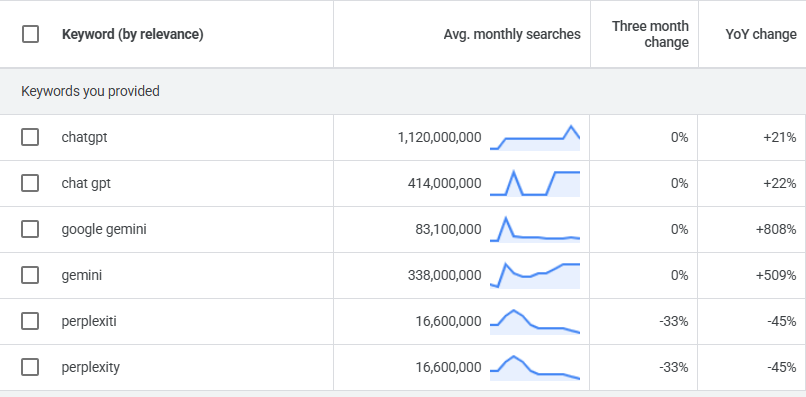
If people have completely moved away from Google, then why are millions of people still using Google to open ChatGPT?
The answer suddenly became very simple.
Most people don’t remember website addresses.
Even today…
Many users don’t type:
chatgpt.com
Instead they type:
ChatGPT
…inside Google.
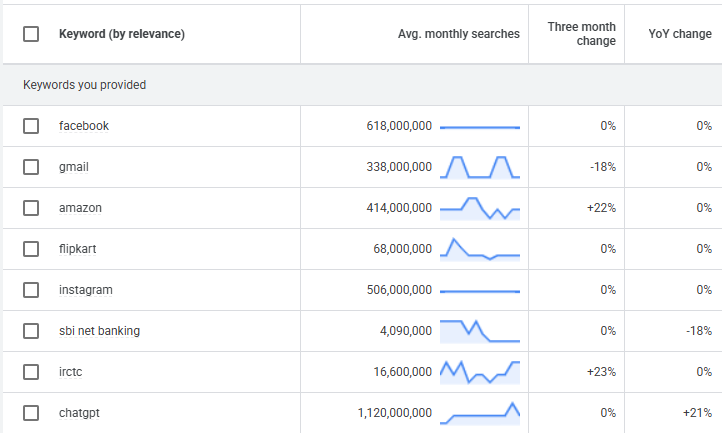
The same happens with:
-
- Gemini
-
- Amazon
-
- YouTube
-
- Gmail
-
- WhatsApp Web
People know where they want to go.
But Google has become the easiest way to reach those websites.
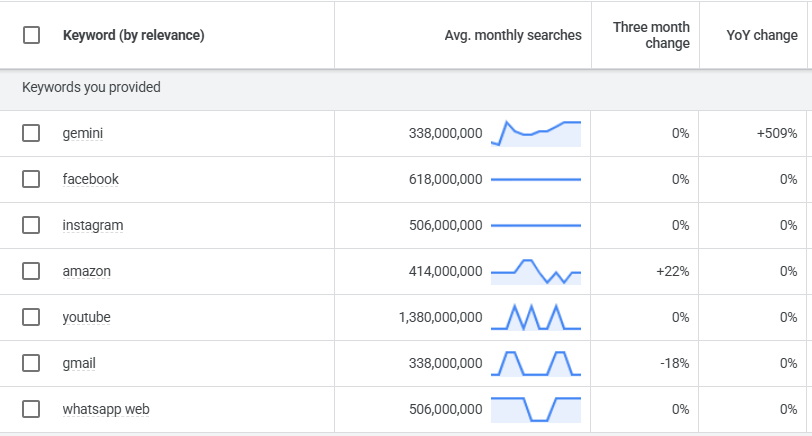
Google Has Become The Internet’s Front Door
This was probably my biggest takeaway.
Google is no longer just a search engine.
For many people…
Google is the front door of the internet.
Think about your own behaviour.
How many times have you searched Google for:
-
- Gmail
-
- Amazon
-
- Flipkart
-
- SBI Net Banking
-
- IRCTC
-
- ChatGPT
Probably many times.
You already know those websites, still you use Google.
That tells us something important.
Google isn’t only helping people discover information, It is also helping people navigate the internet.
AI And Google Are Solving Different Problems
Personally, this is how I see it.
AI is excellent for:
-
- Learning
-
- Research
-
- Brainstorming
-
- Writing
-
- Coding
-
- Understanding concepts
-
- Getting quick answers
Google is still excellent for:
-
- Finding local businesses
-
- Shopping
-
- Comparing products
-
- Reading customer reviews
-
- Finding phone numbers
-
- Getting directions
-
- Checking business websites
-
- Looking at images and videos
-
- Comparing multiple options
Can AI also recommend products and services?
Yes.
Absolutely.
In fact, I have asked ChatGPT many times to recommend software, tools and even businesses.
But after getting those recommendations…
What do I do?
I still open Google.
I still visit the website.
I still check reviews.
I still compare competitors.
That is exactly why I don’t think AI has replaced Google.
Instead…
I think AI has become another step in the customer journey.
Search Is Becoming Bigger Than Google
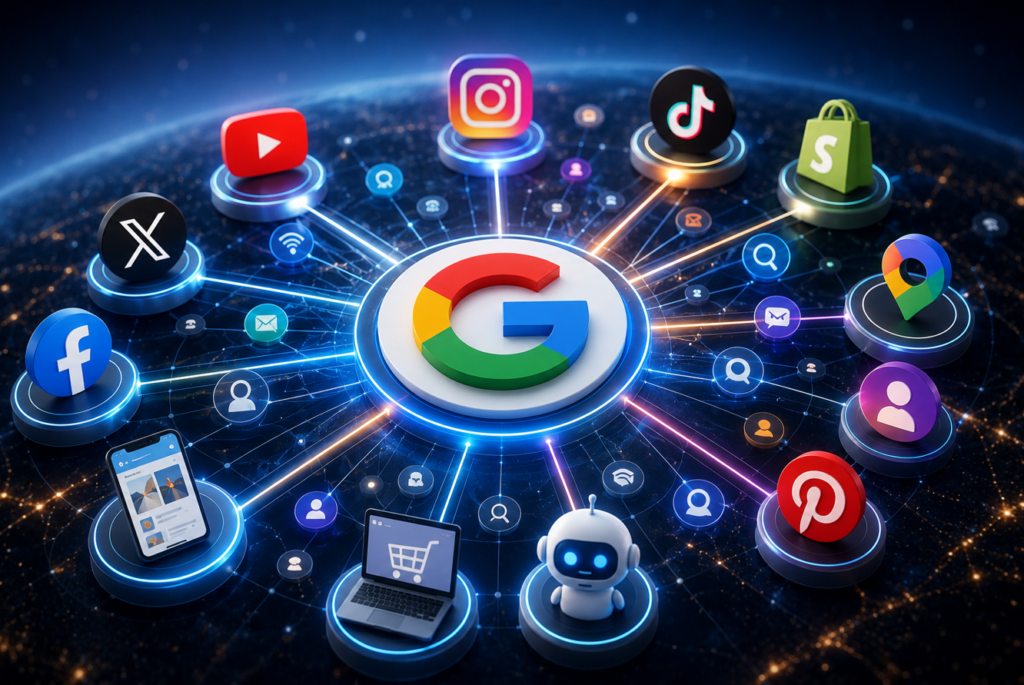
This is another thing I realised.
Earlier…
When we said “Search”, we automatically meant Google.
Today…
Search happens in many places.
People search on:
-
- ChatGPT
-
- Gemini
-
- Perplexity
-
- YouTube
-
- Amazon
The platform has changed.
But the behaviour hasn’t.
People still have questions.
People still want answers.
People still want solutions.
The only difference is…
Today they have more choices.
My Observation
After spending weeks researching AI Search, this is my personal opinion.
I don’t think SEO is disappearing, I think search behaviour is changing faster than search engines themselves. Businesses that understand this change early will have an advantage.
Instead of asking,
“Should I stop doing SEO?”
I think businesses should ask,
“How can I make my business visible wherever people search?”
Because today that search might start on Google.
Tomorrow it might start on ChatGPT.
The day after tomorrow it could start somewhere else.
But one thing will always remain the same.
People will continue searching.
And businesses that genuinely help people will continue getting discovered.
 What Businesses Should Learn From This
If I were advising a business owner today, I wouldn’t say,
“Forget SEO and focus only on AI.”
I would say,
-
- Continue building a good website.
-
- Continue doing SEO.
-
- Create useful content.
-
- Build your brand online.
-
- Encourage genuine customer reviews.
-
- Keep your Google Business Profile updated.
-
- Be present on trusted websites.
-
- Learn how AI Search works.
Because in my opinion…
The future isn’t Google vs AI.
The future is Google + AI working together in different stages of the customer’s journey.
So, What Are SEO, AEO, GEO and LLMO?
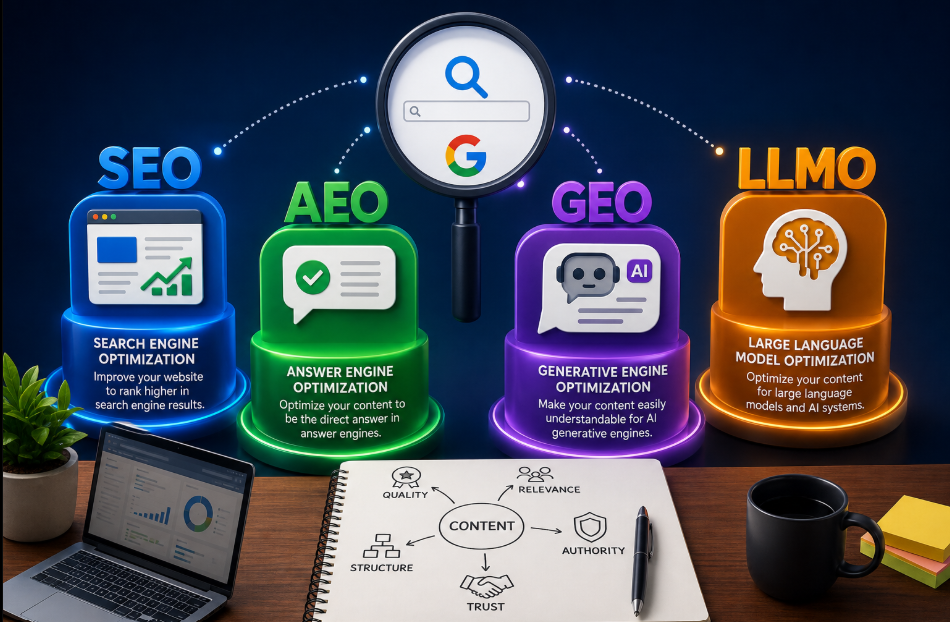
After spending weeks reading about these terms, one thing became very clear to me.
Every few months, our industry comes up with a new buzzword.
First it was SEO.
Then Local SEO.
Then Mobile SEO.
Then Voice Search.
Now we hear terms like:
-
- AEO (Answer Engine Optimization)
-
- GEO (Generative Engine Optimization)
-
- LLMO (Large Language Model Optimization)
Honestly…
I don’t think these are replacing SEO, I think they are simply expanding it. Let me explain what I mean.
SEO (Search Engine Optimization)
The goal is simple.
Help search engines like Google understand your website and show it to the right people.
AEO (Answer Engine Optimization)
Here, the goal is slightly different.
Instead of ranking on a search results page, you want your content to become the answer.
For example, if someone asks ChatGPT or a voice assistant,
“What is SEO?”
Can your website provide a clear and trustworthy answer?
That’s where AEO comes in.
GEO (Generative Engine Optimization)
AI platforms don’t just list websites.
They generate answers.
GEO is about helping AI understand your content so it can reference or recommend your brand when it’s relevant.
LLMO (Large Language Model Optimization)
This is another term that has become popular recently.
In simple words…
It means creating content that is easy for AI models to understand.
Clear language.
Proper headings.
Accurate information.
Well-structured content.
Nothing very different from what we have been trying to do for years.
My Personal Opinion
If you ask me…
I don’t think businesses should worry too much about these names.
Whether someone calls it SEO…AEO…GEO…or LLMO…
The fundamentals remain almost the same.
You still need:
-
- A good website
-
- Useful content
-
- Fast loading pages
-
- Trust
-
- Authority
-
- A good user experience
The names are changing.
The principles are not.
Why Websites Still Matter
Sometimes people ask me,
“If everyone is using ChatGPT, why should I still invest in a website?”
My answer is very simple.
Your website is your digital office.
It is the only place on the internet that you completely own.
Social media platforms can change.
Portal websites can change.
AI platforms can change.
But your website remains your own digital asset.
More importantly…
Where does AI get information about your business?
From your website.
From articles.
From news websites.
From public information available online.
If your business doesn’t have enough quality information online, AI has very little to understand about you.
Brand Authority Matters More Than Ever
One thing I strongly believe is this.
The future is not only about ranking websites.
It is about building brands.
If people are talking about your business…
If customers are reviewing your services…
If trusted websites mention your brand…
If your content genuinely helps people…
Search engines notice.
AI platforms notice.
People notice.
Whether we call it SEO or AEO, one thing remains common.
Trust wins.
Are Backlinks Still Important?
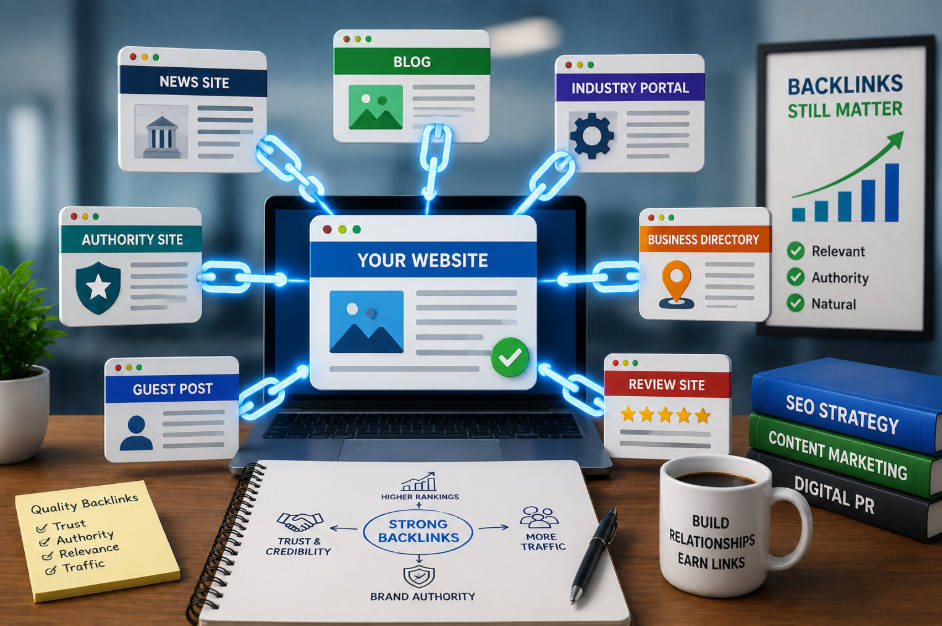
I still believe backlinks are important.
But I also believe we need to stop looking at backlinks only as a ranking factor.
A backlink is much more than that.
It is another website saying,
“This business is worth mentioning.”
The same applies to brand mentions.
When your business is mentioned across trusted websites, blogs, news portals or industry websites, it builds credibility.
I don’t know the exact algorithms Google or AI platforms use.
Nobody outside those companies does.
But one thing is common across all search platforms.
They try to recommend businesses that look trustworthy.
That’s why, instead of chasing hundreds of backlinks, I would rather focus on building a brand that people genuinely talk about.
My Final Thought On These New Terms
Personally…
I don’t think businesses need to panic every time a new SEO term appears.
Whether it’s SEO… AEO…GEO…or LLMO…
The objective remains the same.
Create something useful…Build trust…Help people.
If you consistently do that, I believe you’ll continue to stay visible, whether someone searches on Google today or asks an AI assistant tomorrow.
So, What Should Businesses Do Now?
If you’re a business owner and you’ve read this article till this point, you might still have one question.
“Srinivas, all this sounds good. But what should I actually do?”
My answer is simple.
Don’t panic. Don’t chase every new buzzword.
Instead, focus on the basics. The basics are still winning.
If I were advising any business today, this is what I would recommend.
1. Don’t stop investing in your website
Your website is still your most valuable digital asset.
Social media platforms come and go.
AI tools will keep changing.
But your website is something you own completely.
Keep improving it.
Keep updating it.
Treat it like your digital office.
2. Continue doing SEO
No, I don’t believe SEO is dead.
But yes, SEO has changed.
Today SEO is not just about keywords.
It is about:
-
- Creating useful content
-
- Answering customer questions
-
- Improving user experience
-
- Making your website fast
-
- Building trust
-
- Becoming an authority in your industry
If you do these things consistently, you’re already preparing your website for both Google and AI.
3. Build your brand, not just your rankings
This is something I have learnt over the years.
Rankings can change.
Algorithms can change.
But a trusted brand continues to attract customers.
When people know your brand…
They search for you directly.
They recommend you.
They trust you.
And trust is becoming more important than ever.
4. Don’t depend on only one platform
Many businesses depend only on Google Ads.
Some depend only on SEO.
Some depend only on Instagram.
Personally, I don’t think that’s a good strategy.
Today your business should be visible in multiple places.
For example:
-
- Google Search
-
- Google Business Profile
-
- Your Website
-
- YouTube
-
- AI Search platforms
The more places people can discover your business, the stronger your brand becomes.
5. Listen to your customers
One thing my current role has taught me is this.
Generating leads is only the first step.
The real learning starts after that.
Every day I speak with sales teams, tele-callers and marketing teams.
I listen to:
-
- What questions customers ask.
-
- What doubts they have.
-
- Why they choose one company over another.
-
- Why some leads never convert.
Trust me…
You can learn more from your customers than from any SEO course.
My Predictions for the Next Few Years
Nobody knows exactly how search will look five years from now.
Even Google doesn’t know every change that will happen.
AI is evolving every month.
New platforms are coming.
User behaviour is changing.
But if you ask me what I personally believe, these are my predictions.
AI will become part of everyday search.
More people will use ChatGPT, Gemini and other AI assistants to understand topics and get quick answers.
That trend will continue.
Google will continue evolving.
Google has never stayed the same.
Instead of fighting AI, Google is building AI into its own products.
I believe Google Search will continue changing rather than disappearing.
Websites will become more important, not less.
This may surprise some people.
But I think businesses with high-quality websites will have a bigger advantage.
Because AI still needs trusted information.
Without quality websites, there is very little reliable information for AI to understand.
Brand authority will matter more than rankings.
Earlier we focused mainly on keywords.
Tomorrow we’ll focus more on reputation.
Businesses that build trust online will have a better chance of being recommended by both search engines and AI platforms.
The businesses that keep learning will always stay ahead.
This is probably my strongest belief.
Technology will never stop changing.
The businesses that adapt without panicking will always have an advantage.
My Final Thoughts
If someone asks me today,
“Is SEO dead?”
My answer will still be the same.
No.
SEO is not dead.
Search has changed.
People have changed.
Technology has changed.
The way we search has changed.
But the purpose of search hasn’t changed.
People still have questions.
People still need information.
People still compare products.
People still look for trusted businesses before spending money.
Yesterday they searched on Google.
Today they may ask ChatGPT.
Tomorrow they might use another AI platform that hasn’t even been built yet.
The platform may change.
The customer doesn’t.
As digital marketers, I think our responsibility is no longer just helping websites rank on Google.
Our responsibility is much bigger.
We should help businesses become easy to find, easy to understand and easy to trust, wherever people search.
Whether that search starts on Google…
ChatGPT…
Gemini…
Perplexity…
Or any future AI platform…
The businesses that genuinely help people, create useful content and build trust will continue to grow.
That is why I don’t believe the future belongs only to SEO.
I don’t believe it belongs only to AI either.
I believe the future belongs to businesses that combine both.
And maybe…
Instead of asking,
“Is SEO dead?”
We should start asking a better question.
“Are we ready for the future of search?”
I think that’s the question every business owner should be thinking about today.
About the Author
Hi, I’m Srinivas Palabindala.
I’ve been working in Digital Marketing for more than 21 years, helping businesses grow through SEO, Google Ads, lead generation, branding and marketing strategy. Over the years, I’ve worked with businesses across different industries and watched digital marketing evolve through every major change—from traditional SEO to today’s AI-powered search.
Through this blog, I simply share my observations, experiences and lessons from the real world of marketing. Not because I have all the answers, but because I believe the best way to learn is to keep observing, keep experimenting and keep sharing.
If this article made you think differently about search, I’d love to hear your thoughts.